Define the coaching OS
Map how coaches actually work — clients, plans, nutrition, progress — into a system that scales.
Diby · 2026 - Current
Product and design shaped in the field with Founding Coaches.
 Diby
AI sports coach
Diby
AI sports coach
I designed the Founding Coaches program as a standing field research loop: real sessions, real clients, real feedback deciding what ships next. For an early-stage coaching product, the right method is the field, not the lab. AI connects the high-volume data coaches cannot track manually.
Roadmap, priorities, and the coaching OS — athlete app and coach platform in one role.
Each feature tested in the field, shipped on feedback, iterated fast.
Training, nutrition, and progress signals connected — explainable, not a black box.
My contribution
I don't design in a vacuum. I put each feature in front of Founding Coaches, watch it survive real sessions, and iterate on what the field says. AI handles the data volume; coaches stay in control of what matters.
Map how coaches actually work — clients, plans, nutrition, progress — into a system that scales.
Each feature validated in the field, refined fast — not quarterly roadmap guesses.
Connect training, nutrition, and progress signals coaches cannot track manually — explainable and actionable.
Core product loops
A sports coach product only works if the experience keeps users moving. The product model is built around a simple loop: set a goal, receive a plan, execute workouts, and understand progress.
That loop guides prioritization, interaction design, AI prompts, and the way the product explains the next best action.
Turn athlete intent into coaching context coaches can act on at scale.
Connect goals to training paths that coaches can manage across clients.
Guide workouts without cognitive overload — the product carries the complexity.
Make change visible and adapt the next step from real training signals.
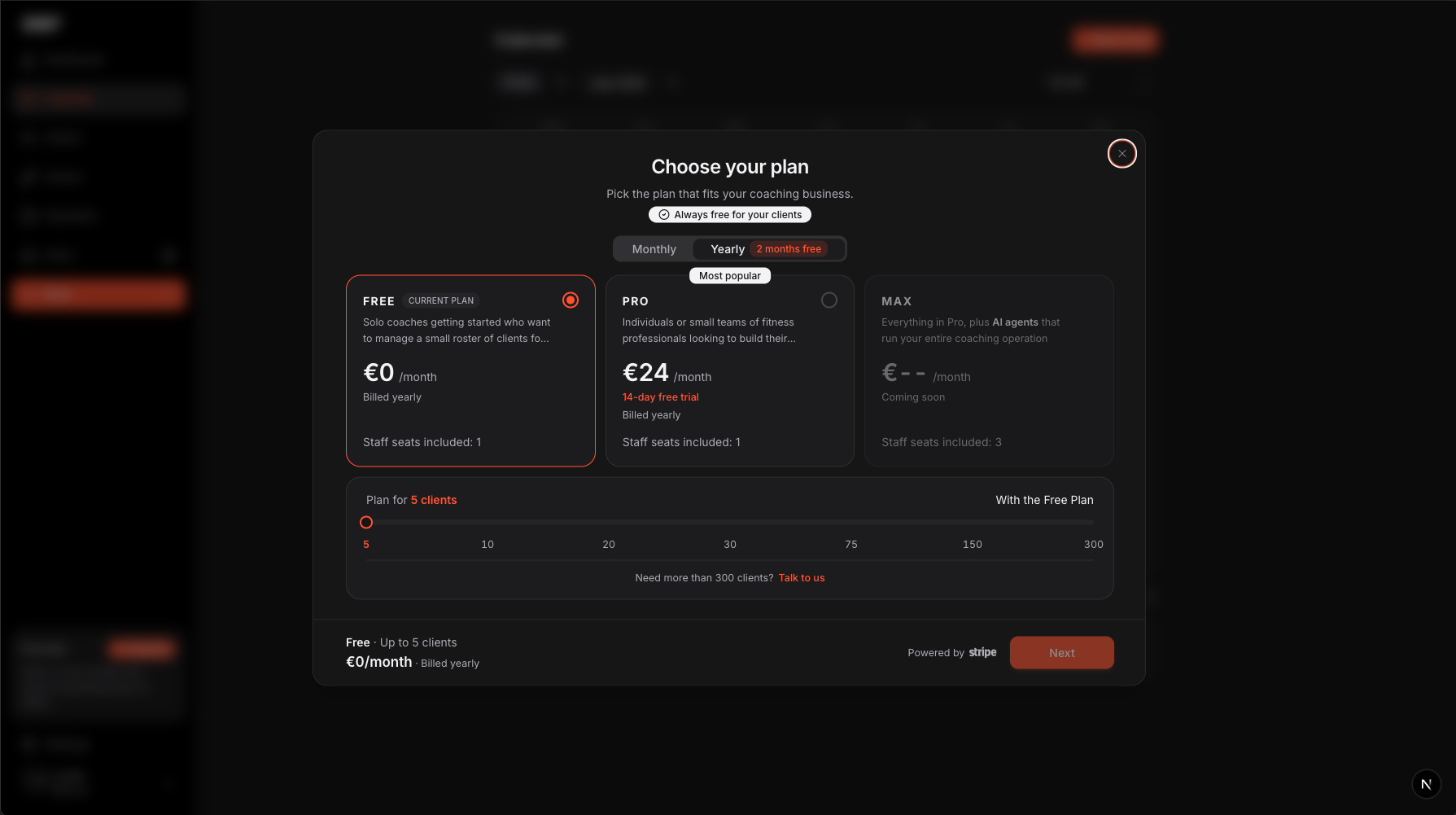
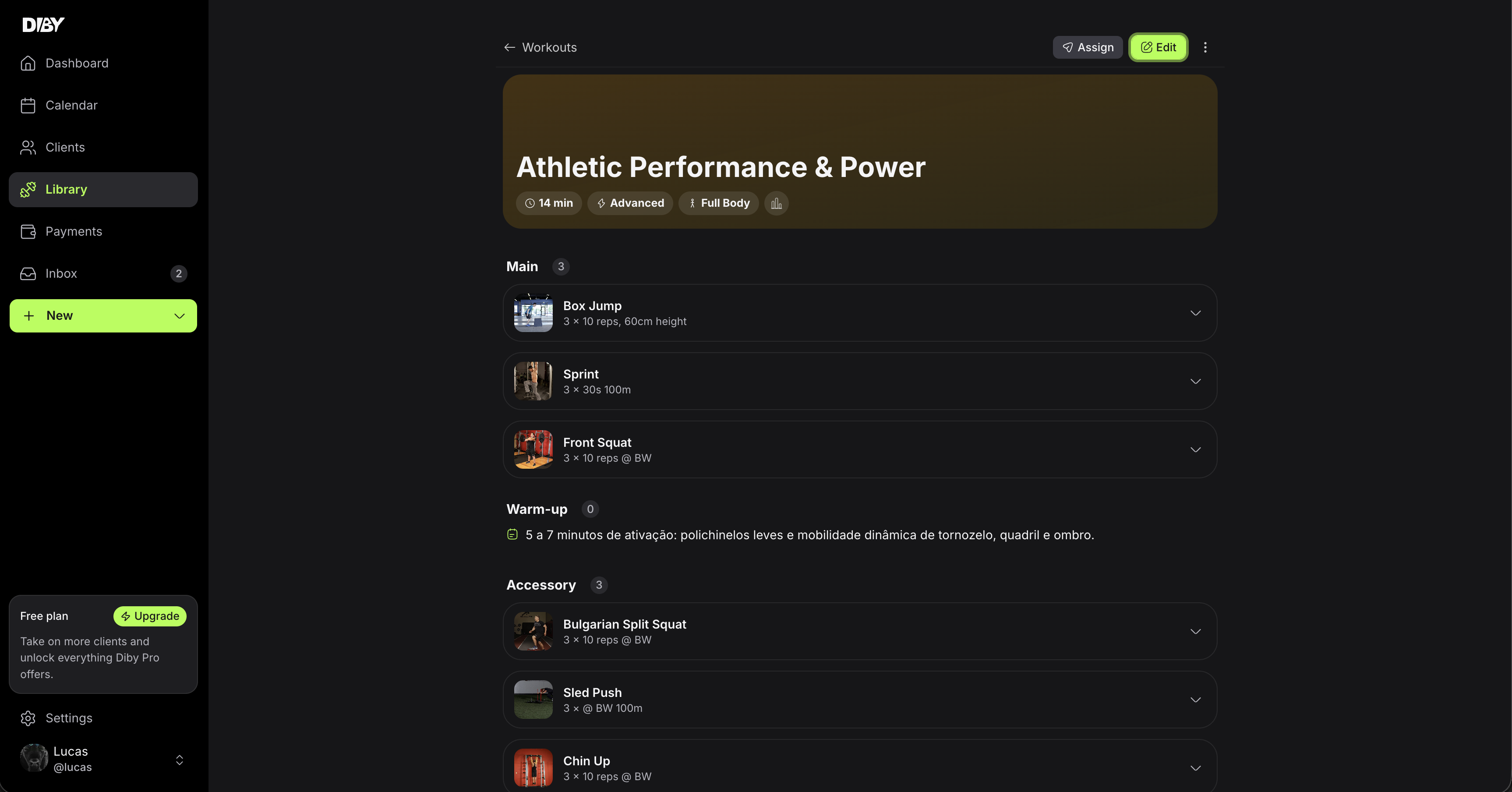
Web platform screens
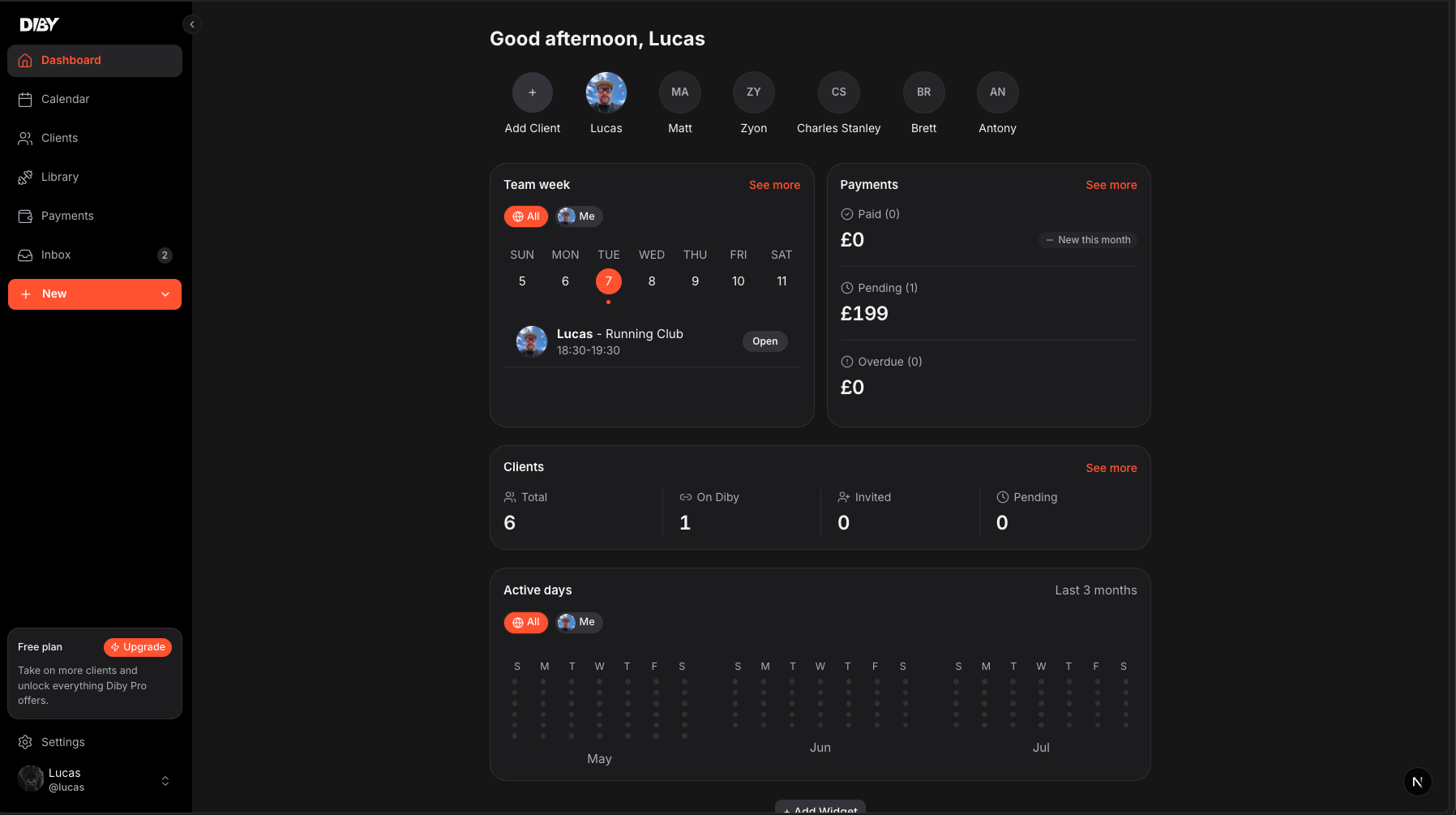
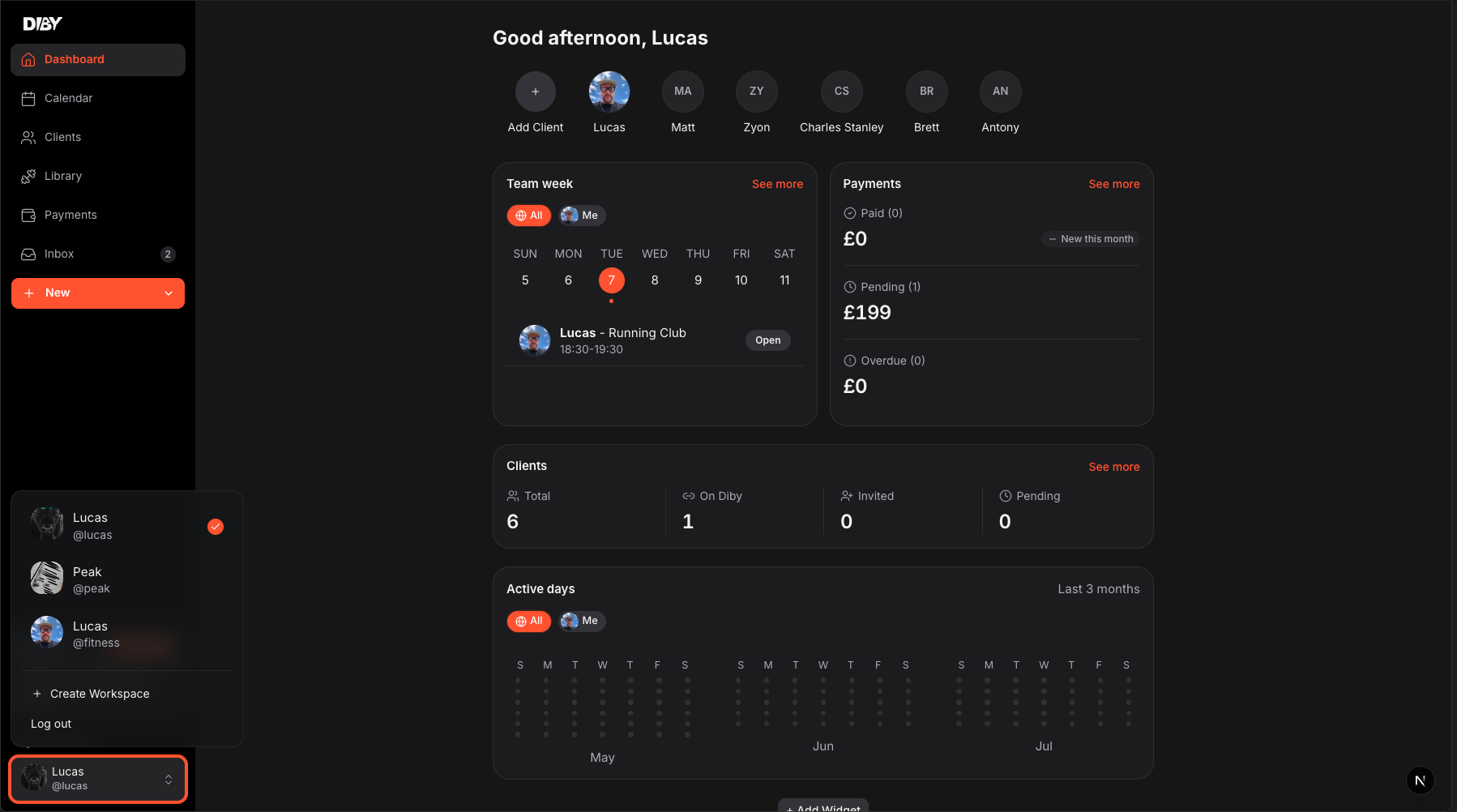
Diby is not only the athlete app. The web platform gives coaches and teams the operational layer for clients, payments, libraries, workouts, workspaces, and plan management.
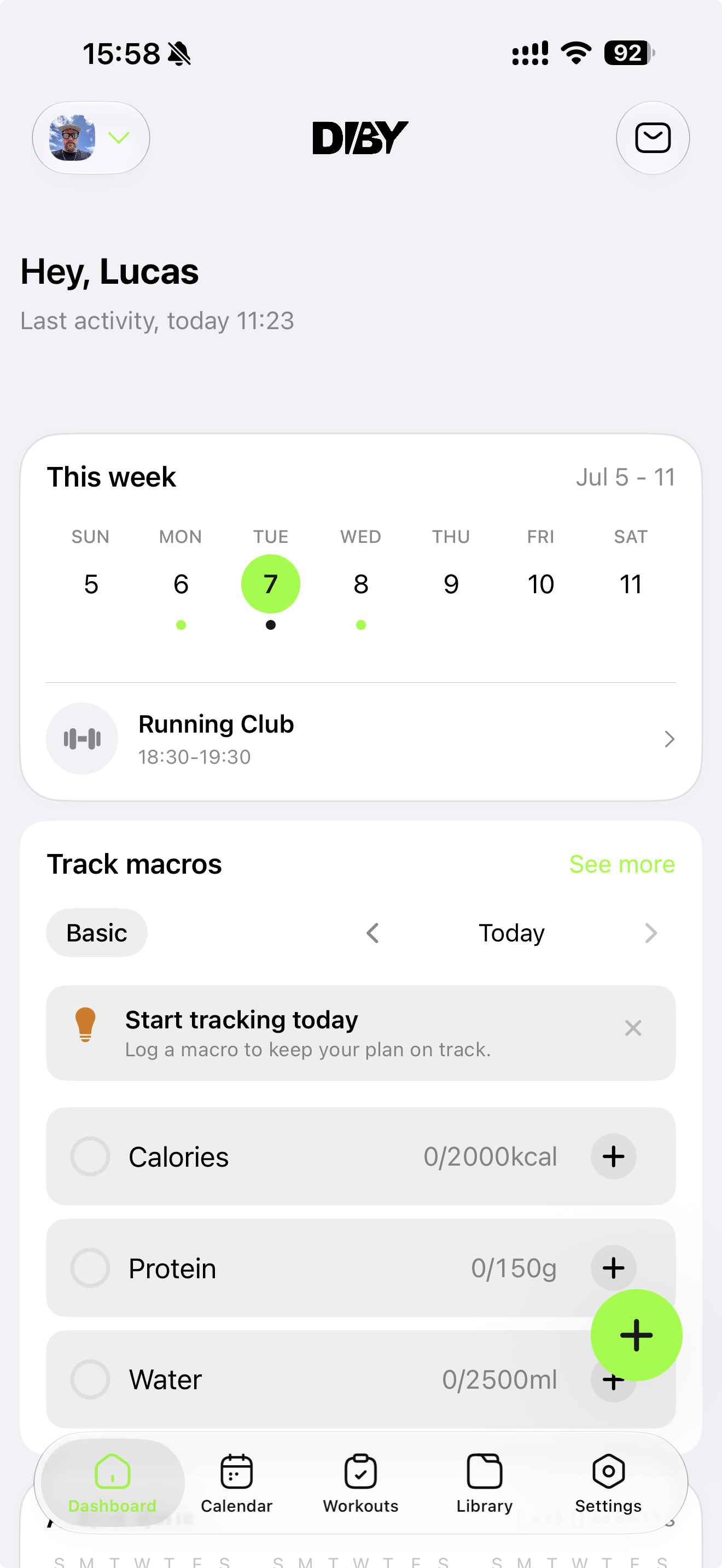
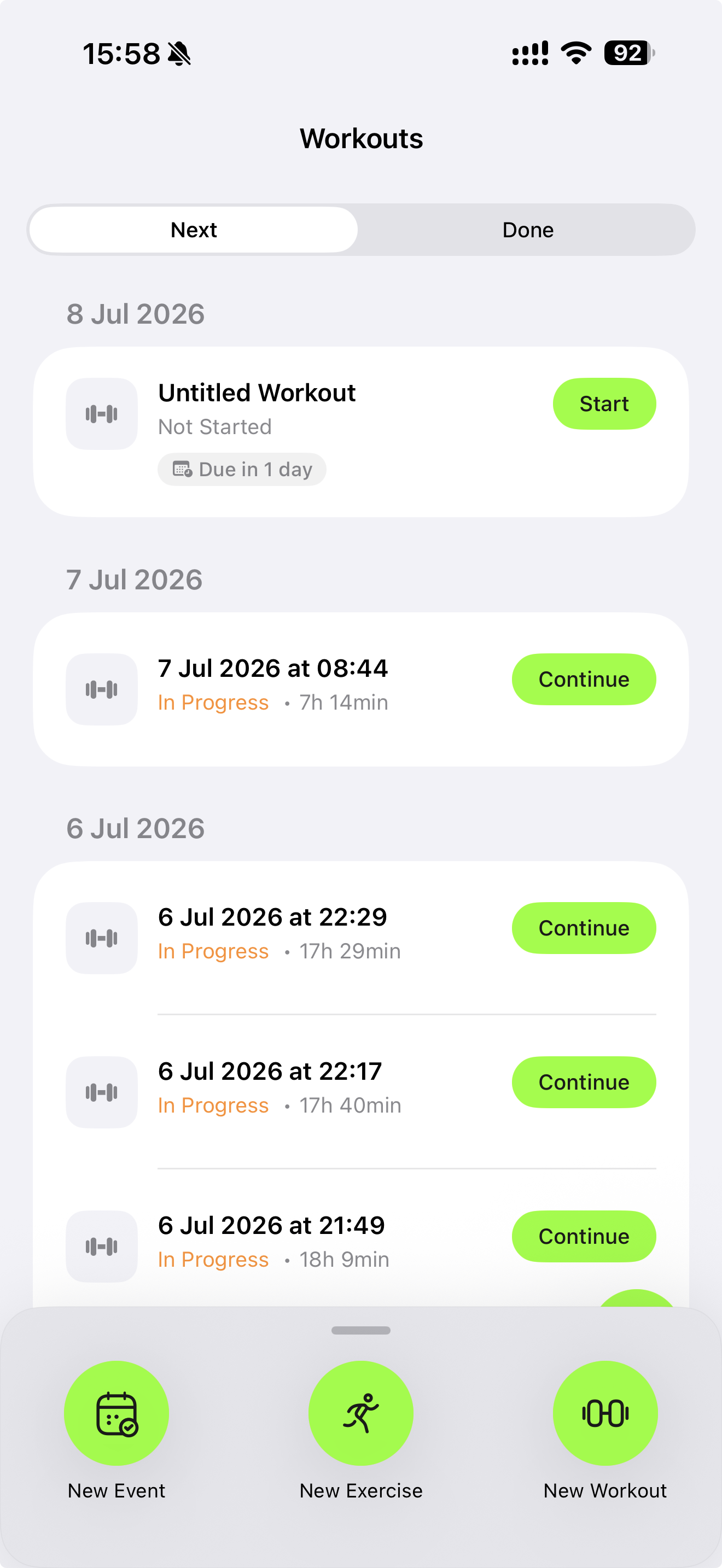
Mobile app screens
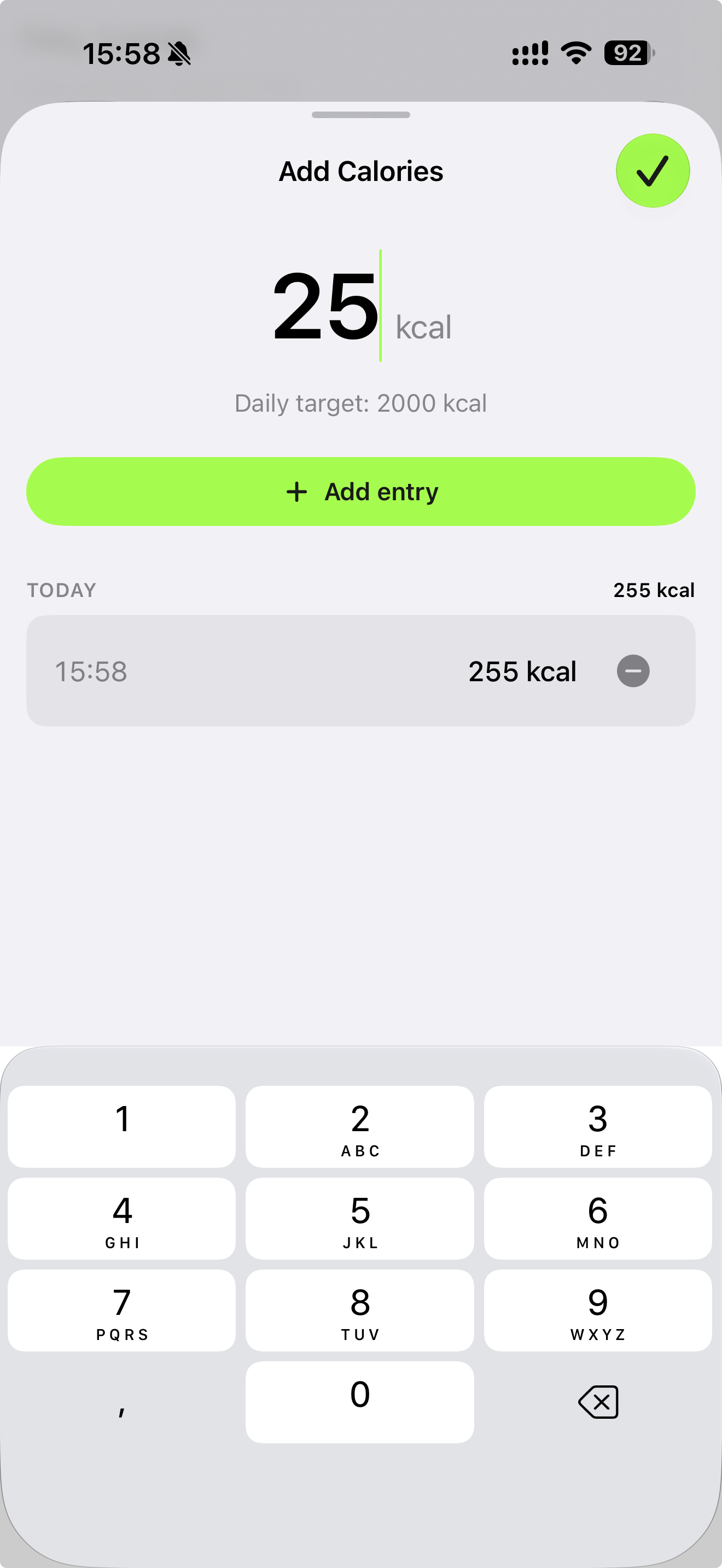
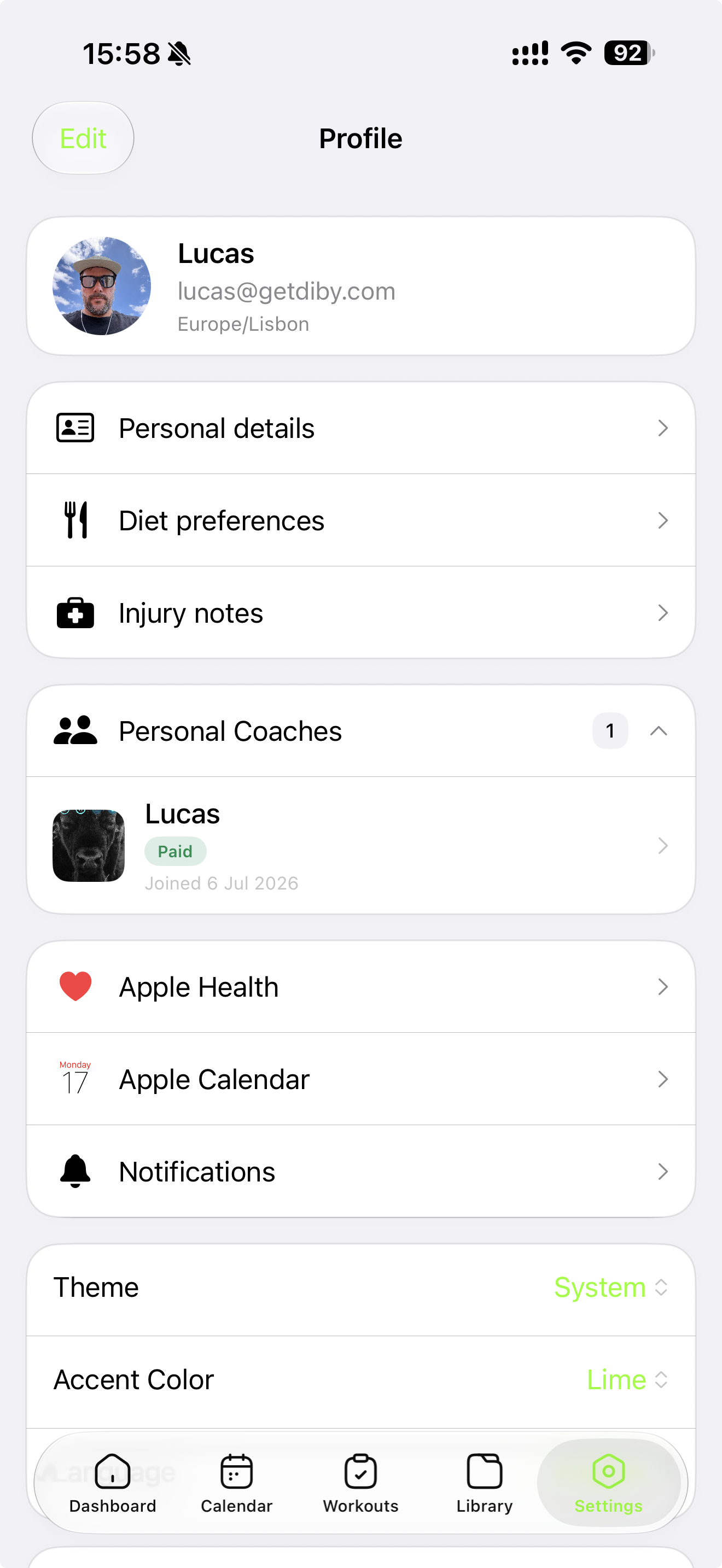
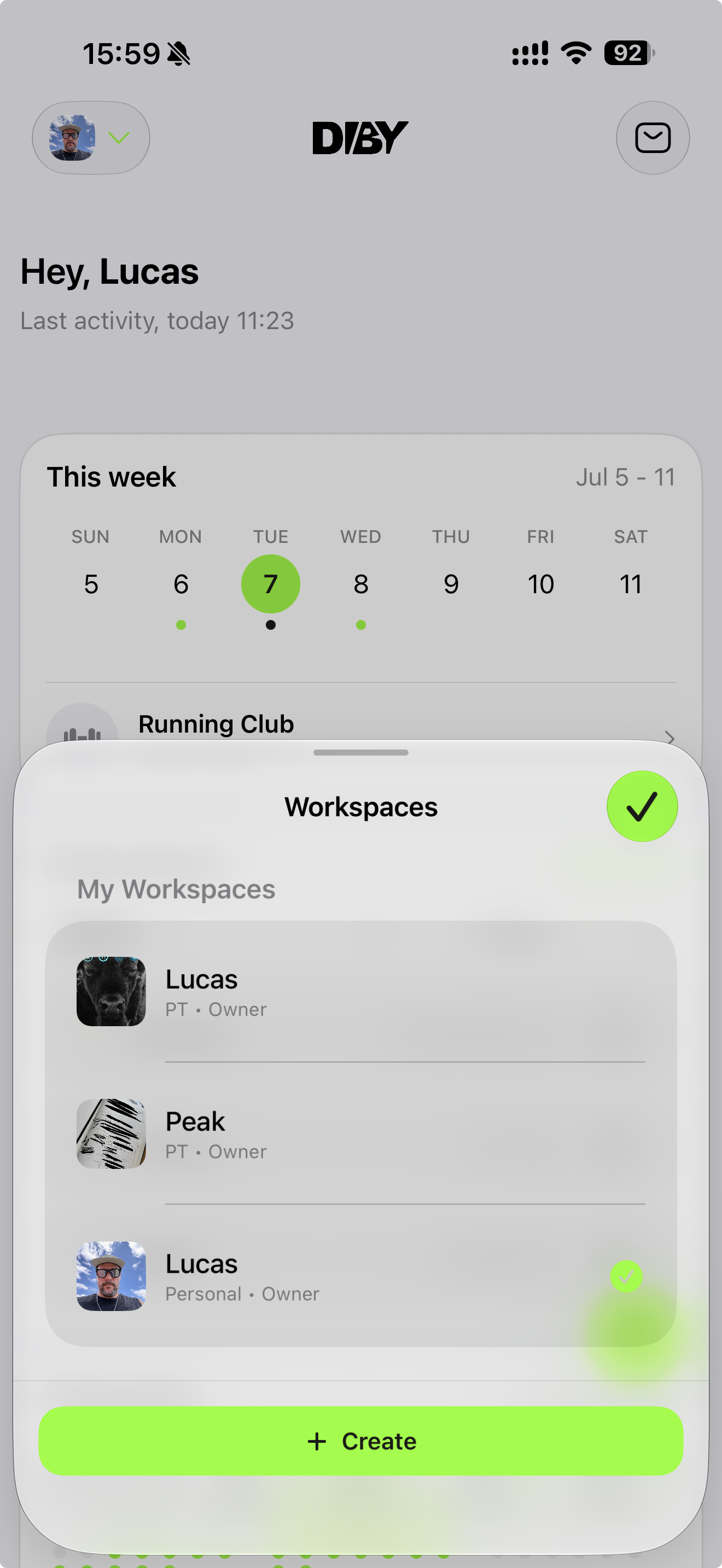
I ship native on both platforms because coaching lives in small daily moments: checking the dashboard, tracking macros, managing workouts, switching workspaces. Fast, familiar, lightweight — that is what keeps athletes coming back every day.
The charts
I set two commercial tests for the pilot: do coaches stay on the product, and do their clients actually progress across training, nutrition, and activity signals. Retention and client outcomes had to move together — one without the other is not a business.
Impact
Retention is the commercial engine of a coaching product — coaches who stay are the business. I attacked it directly with a connected view of clients, progress, workouts, nutrition, and daily activity.
Based on coach feedback, client success metrics such as weight loss, training volume, muscle mass, and related progress indicators improved by an average of 62%.